
Two Years of Technical Partnership with Côte d’Ivoire

With changing priorities and major cuts to development assistance programs worldwide, organizations are being challenged to do more with less. We must adapt, innovate, and find new ways to deliver impact.
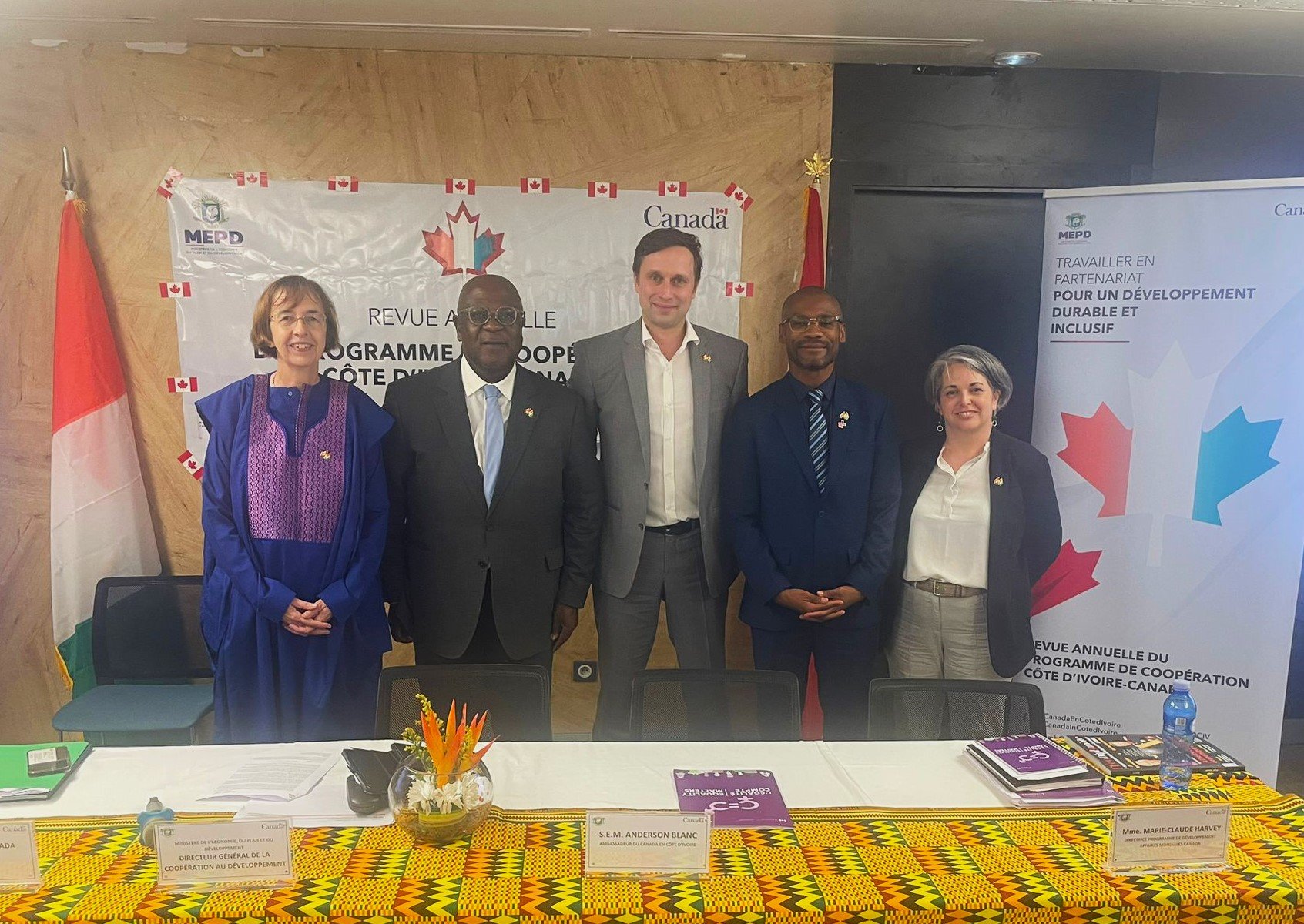
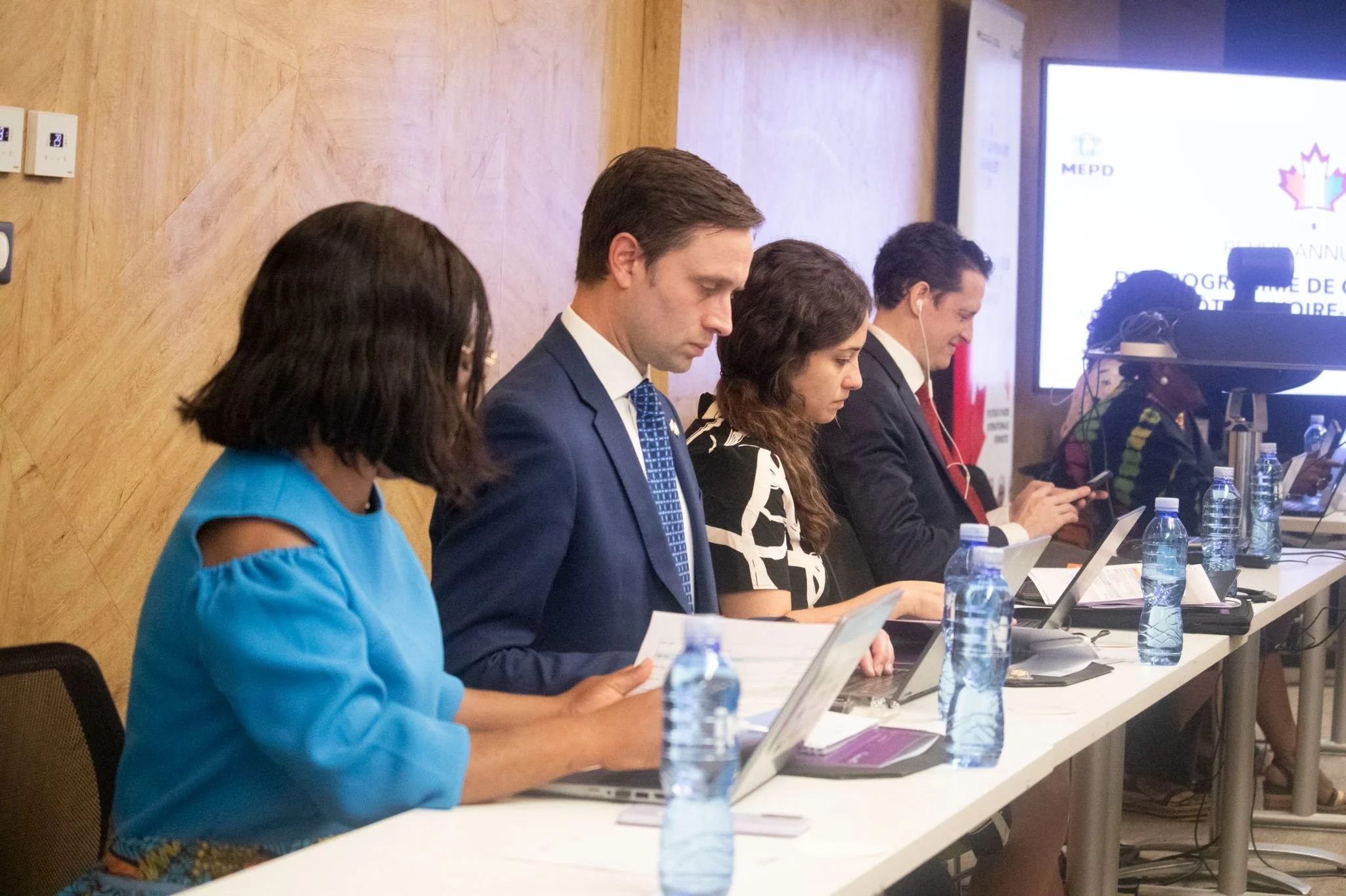
At Nexus, we saw this challenge firsthand during our recent collaboration with Côte d’Ivoire’s Ministry of Planning, Economy, and Development. Through the Technical Assistance Partnership (TAP) program, managed by Alinea International and funded by Global Affairs Canada, our team worked hand in hand with the Ministry’s Directorate General for Development Cooperation (DGCOD) to strengthen how the country coordinates and manages international cooperation.
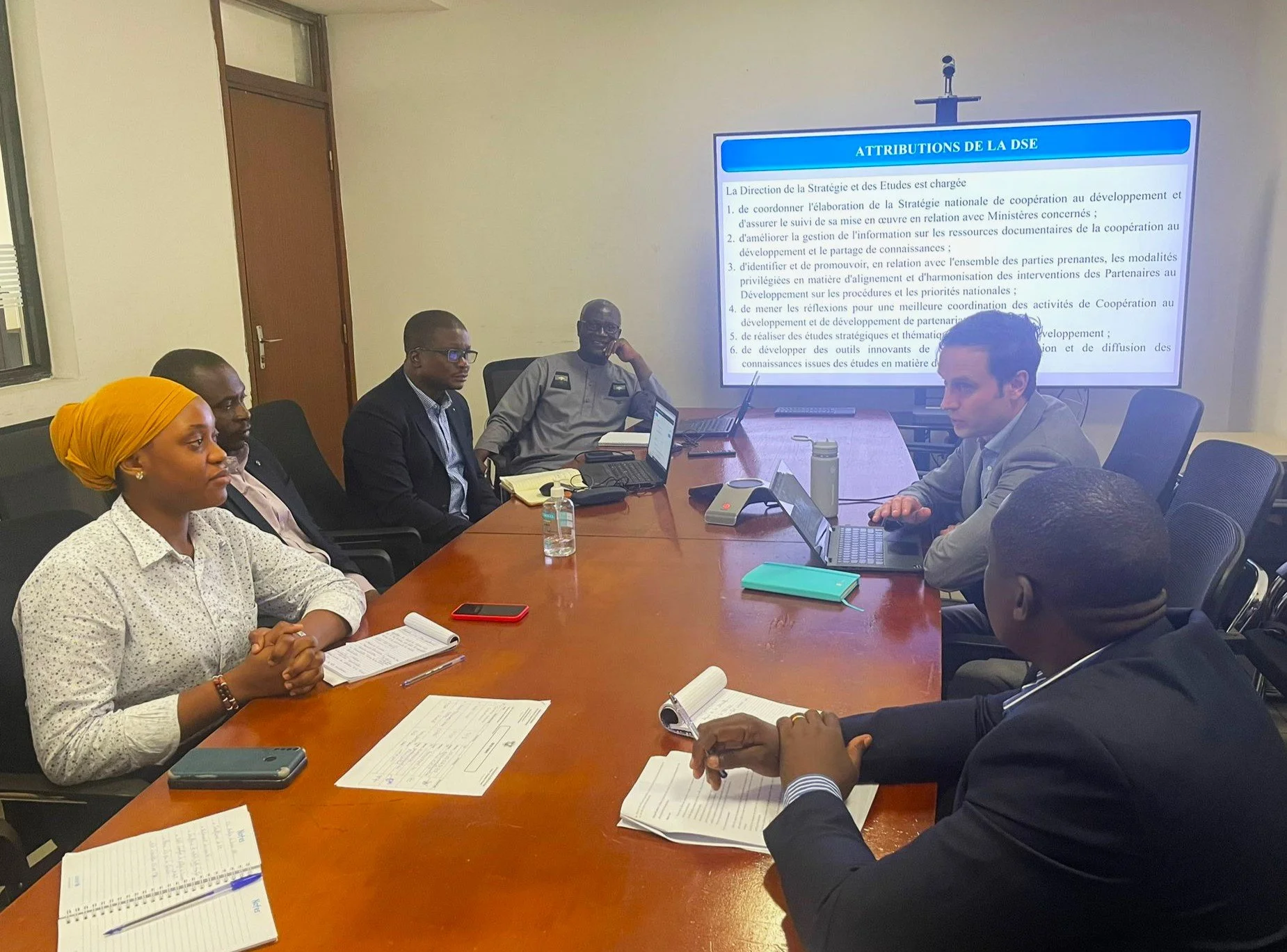
Since early 2024, we’ve accompanied the DGCOD to take stock of its strengths and challenges, compared its structure and practices with similar departments across Africa, and co-developed a three-year strategic operational plan to guide its priorities. More than a planning exercise, this initiative became an exchange of experiences and lessons learned on how to make international cooperation more effective, even in a time of constrained resources.
On-the-Ground Realities
“Our role was to create space, listen to our colleagues at DGCOD, capture their thoughts, and bring added value.”
When Nexus partners Michael Wodzicki and Sébastien Hamel arrived in Abidjan, they carried both expertise and curiosity. As Michael recalls, “We felt we had something to bring,” but, “our first expectation was to try and understand where we could best add value.”
That understanding came quickly. Once on the ground, it became clear that supporting the DGCOD wasn’t about transferring knowledge or exporting pre-packaged solutions. As Sébastien explains, “Our role was to create space, listen to our colleagues at DGCOD, capture their thoughts, and bring added value.” This is also why the team engaged a local collaborator who understood the Ivorian institutional landscape, which was particularly helpful for navigating priorities and relationships.
After all, Nexus was there to accompany the DGCOD refine its own ideas rather than imposing external frameworks.
It was a reminder that in cooperation, listening is often the most valuable expertise you can bring to the table.
Côte d’Ivoire Visit in Canada
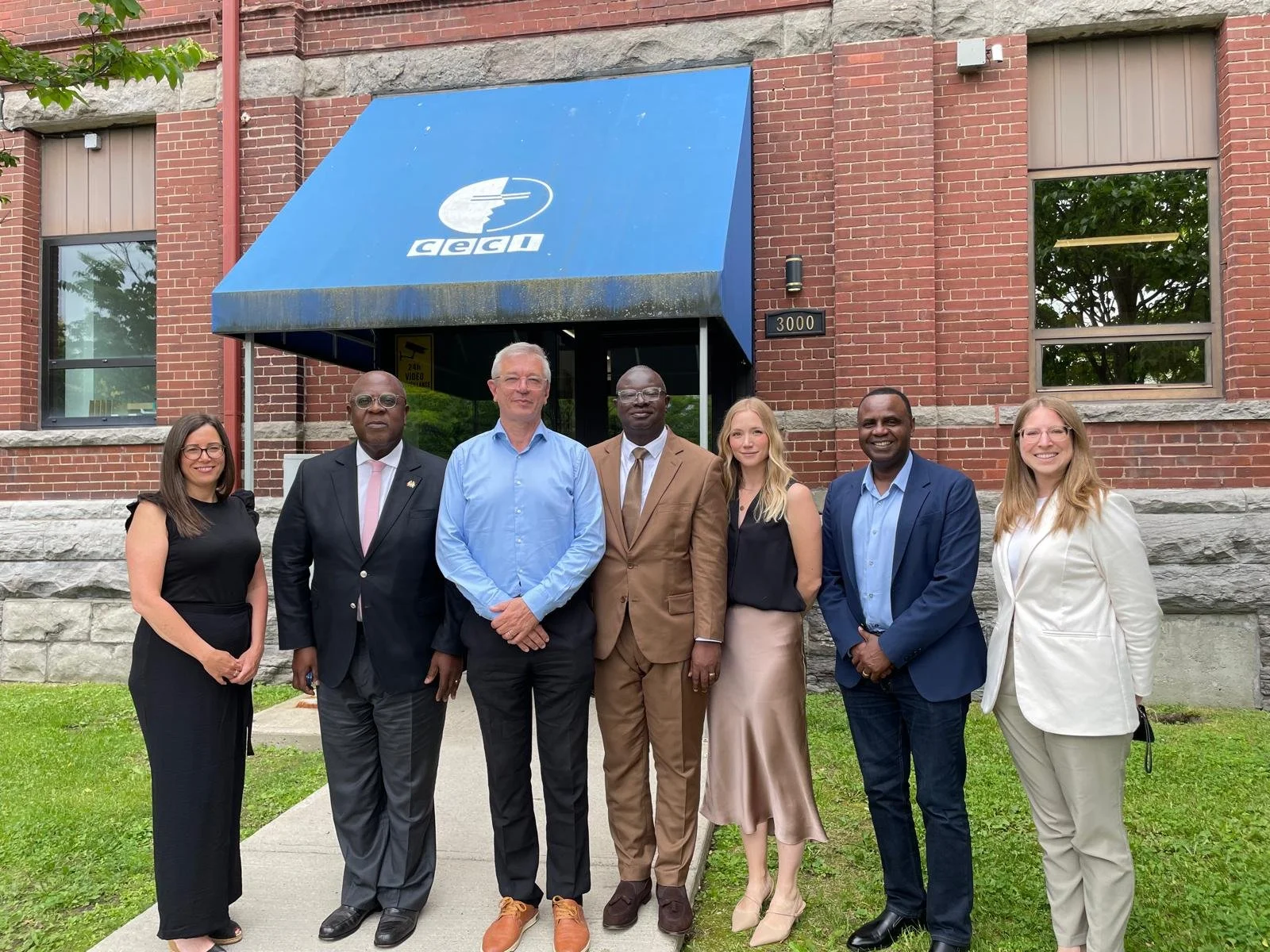
One of TAP’s greatest strengths is its adaptability. Originally, the plan was for the Ivorian delegation to visit another Sub-Saharan African country. But as the collaboration deepened, Nexus saw an opportunity to bring DGCOD leaders to Canada.
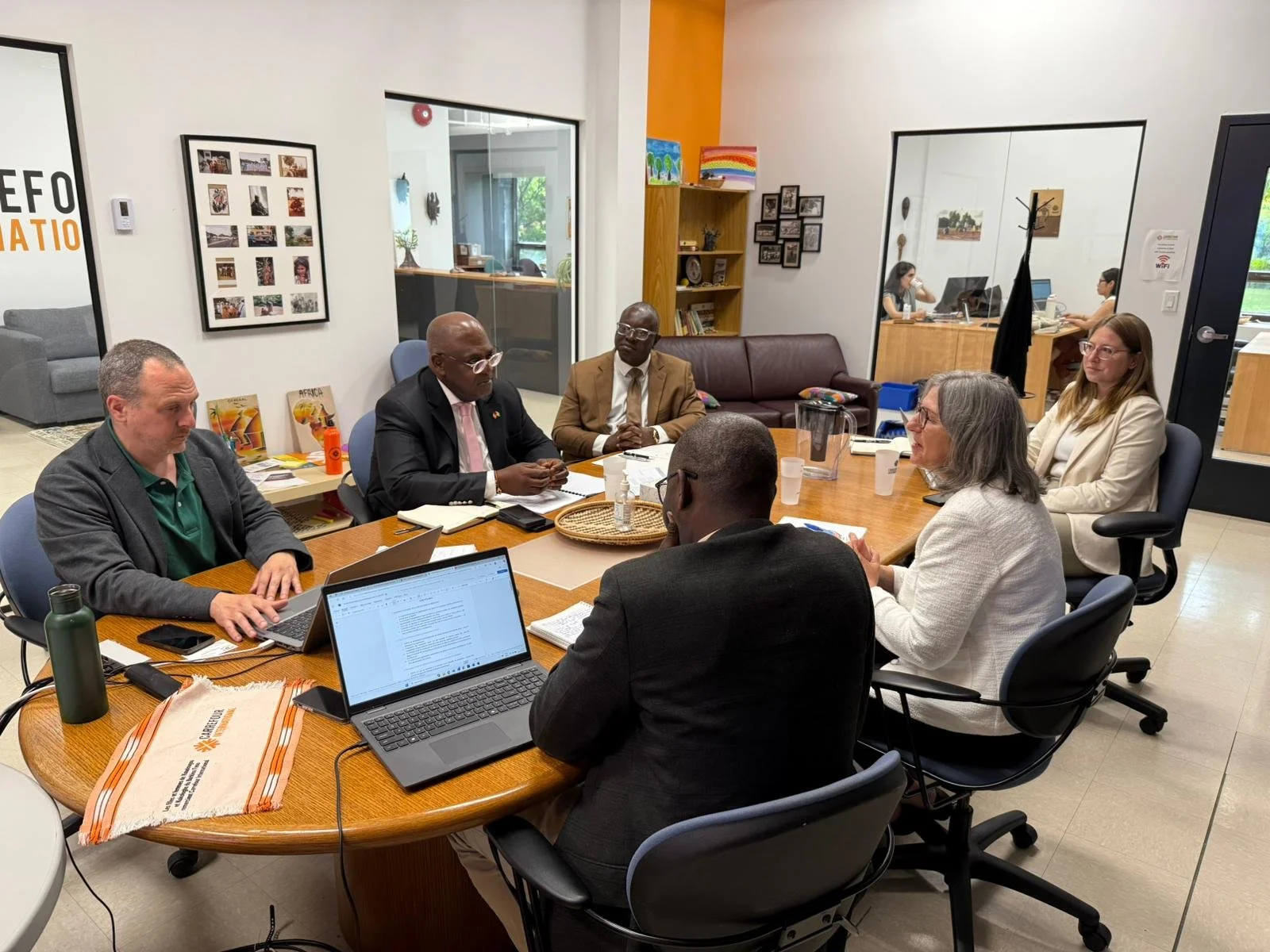
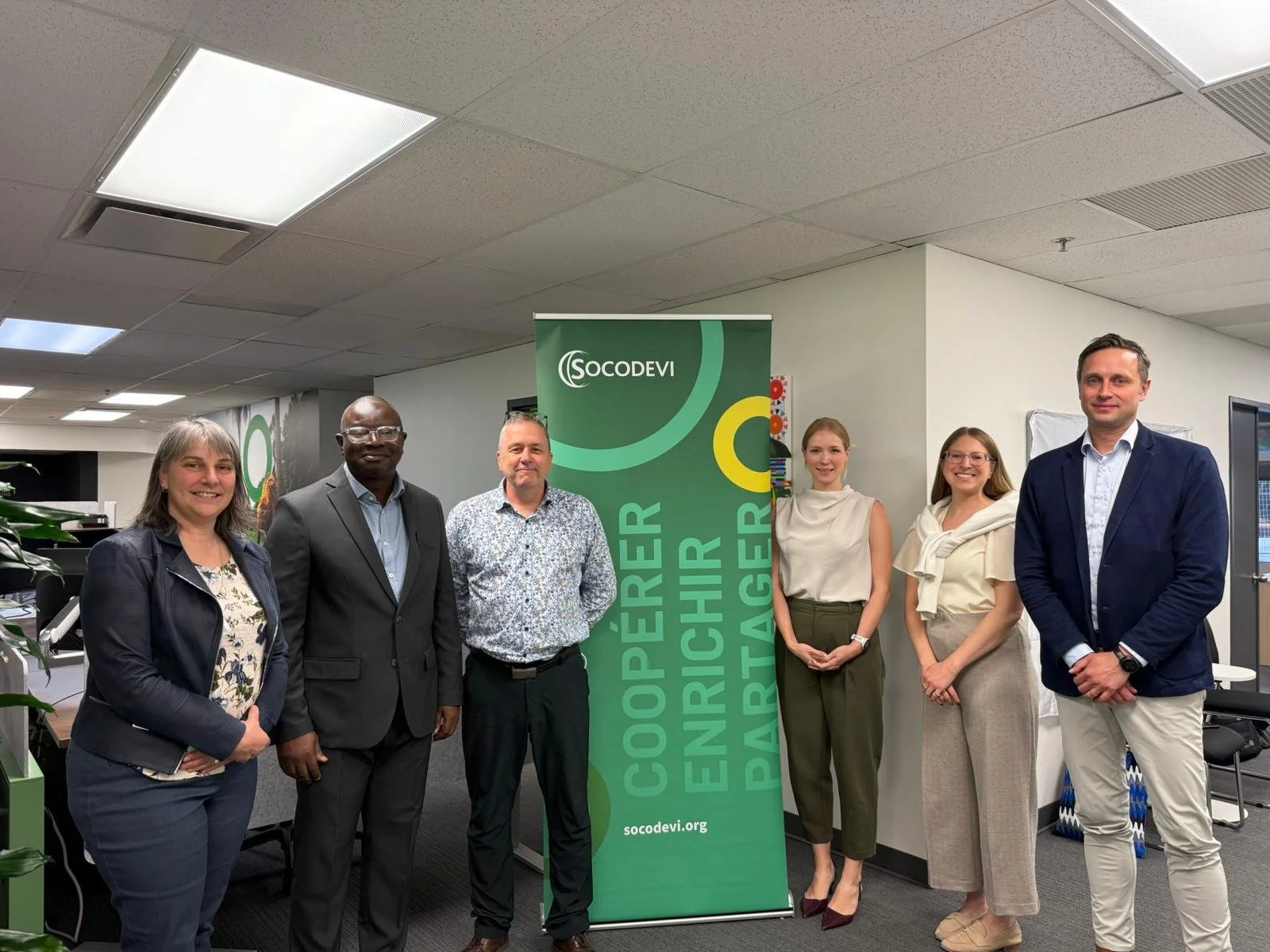
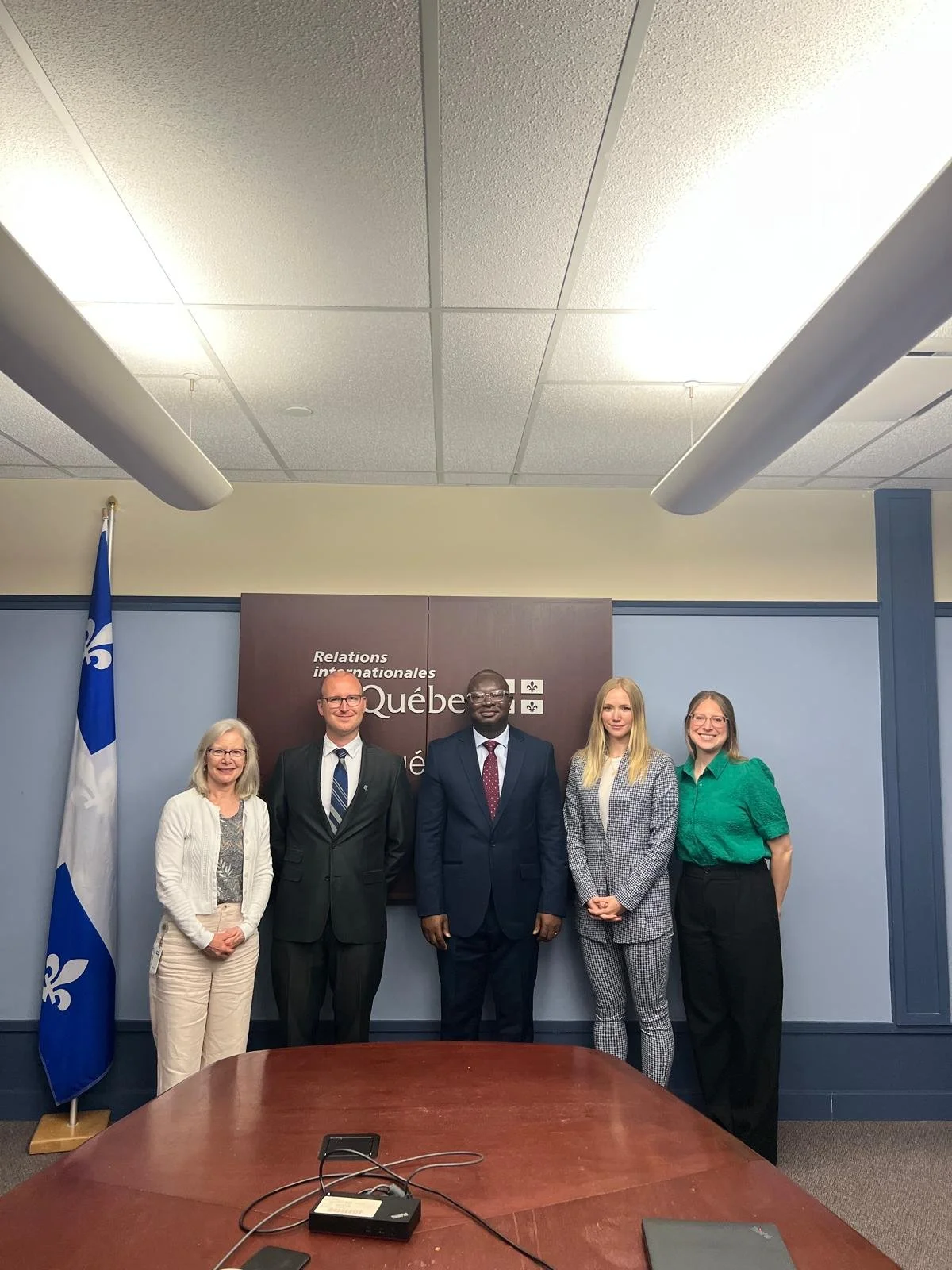
With the support of GAC and Alinea, the team made it happen twice. These visits allowed DGCOD officials to meet with several Canadian institutions involved in Cote d’Ivoire, engage with counterparts in development coordination, and see firsthand how similar challenges are managed in a different context.
“They came as peers in a leadership position,” Michael explains. The exchanges underscored the project’s spirit of partnership: not as donor and recipient, but as colleagues jointly exploring solutions.
Lessons Learned
“Aways hire someone local as quickly as possible.”
Reflecting on their time in Côte d’Ivoire, Michael and Sébastien shared two key takeaways that shaped their approach to technical partnership. First, they both agreed, “Always hire someone local as quickly as possible.” Local expertise is necessary to understanding the realities on the ground, from navigating administrative processes to grasping cultural nuances. And some may even argue that these individual connections can have an even larger impact than institutional reforms.
Second, they recognized the importance of aligning ambition with reality. Understanding what is feasible, respecting the constraints of partners’ daily workloads, and setting realistic expectations is essential to sustaining progress and building trust.
The Future of Development
“For Nexus, the takeaway is clear: impact comes from presence, not size. ”
Experiences like TAP highlight a broader lesson about what effective cooperation looks like today. The success of the Côte d’Ivoire project wasn’t tied to the size of the budget or the number of deliverables. It came from adaptability, trust, and the willingness to meet partners where they are. As global priorities shift and resources become limited, these are the qualities that will define the next generation of development programs.
As development budgets tighten, Canada’s assistance programs can’t rely on scale, they must rely on strategy. Programs like TAP are showing what the future of cooperation can look like: smaller, more flexible, and driven by collaboration. They allow experts to work closely with local institutions, respond to evolving needs and ensure that solutions reflect local priorities.
For Nexus, the takeaway is clear: impact comes from presence, not size. By listening first, staying adaptable, and focusing on relationships, we can help strengthen institutions from within. And for Canada, this model offers a powerful way forward by investing in approaches that reinforce our credibility as a trusted, thoughtful partner in today’s unpredictable development context.